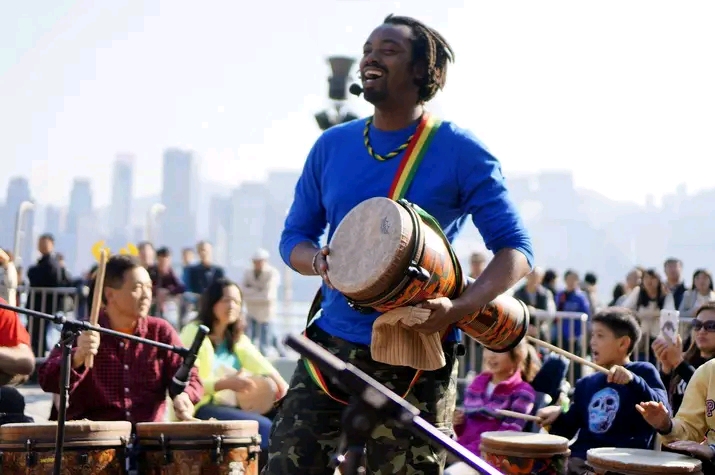
Reggae music heals me from the wounds of the genocide- Man Ngabo
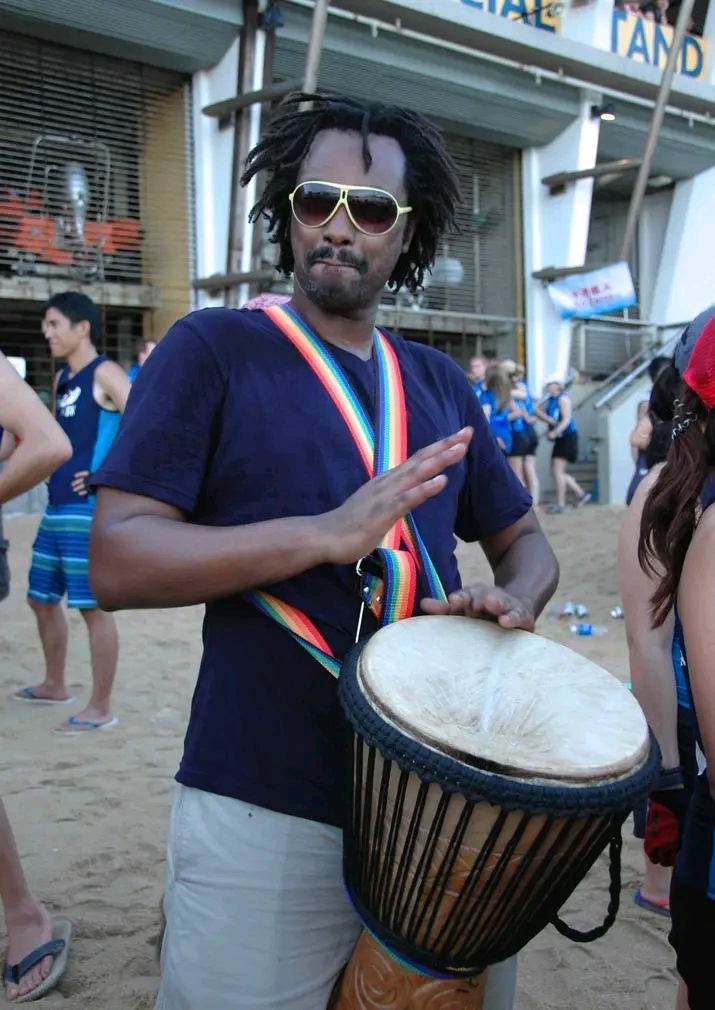
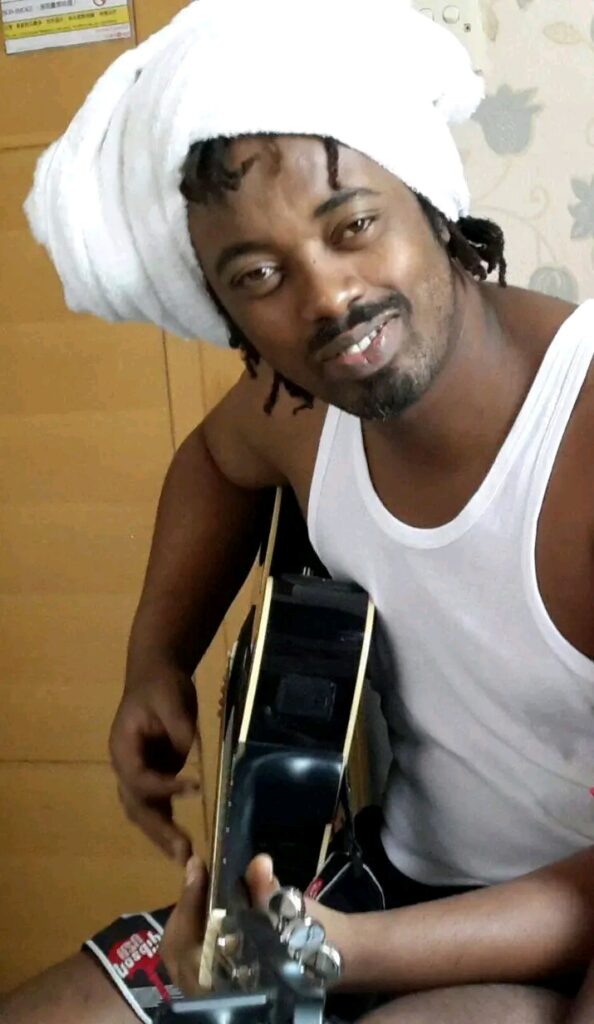
As a survivor of the 1994 Genocide against the Tutsi in Rwanda—an experience that left him with deep emotional scars and severe physical injuries—Anaclet Ngabonziza, known as Man Ngabo, credits reggae music with helping him avoid being consumed by grief.
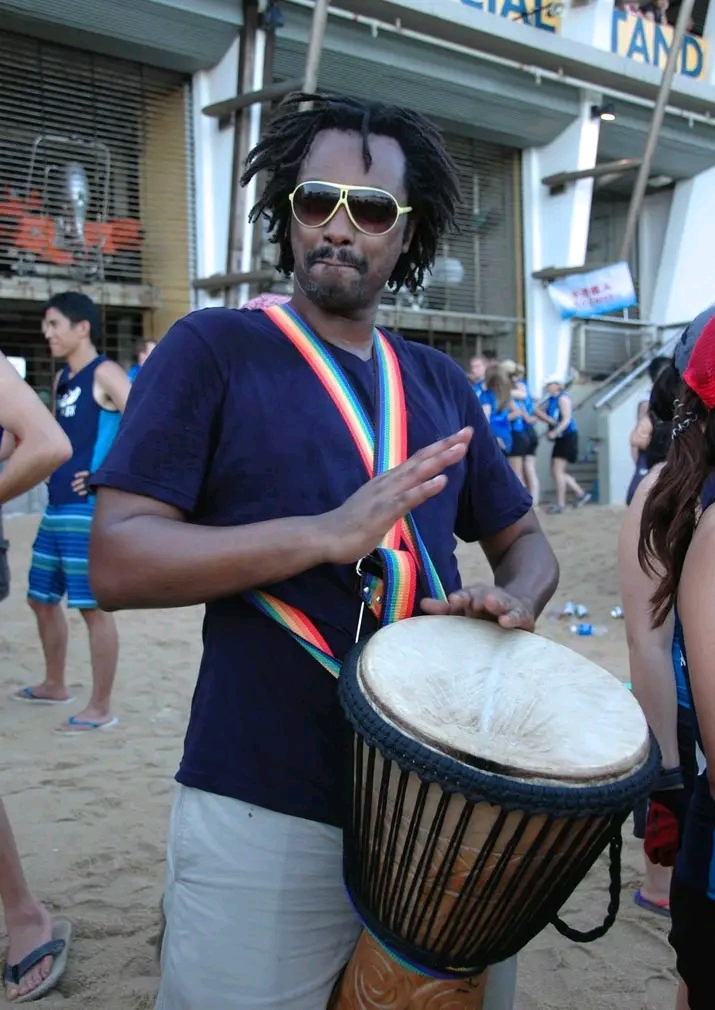
Speaking to Moreaboutmedia.com, Man Ngabo explains that he turned to music after surviving the 1994 Genocide against the Tutsi; prior to that, his passion had been football.
He says, “Although I didn’t grow up involved in music, I used to watch my father play the accordion—an instrument he had learned to play at the Rwesero Minor Seminary in Giti. However, I do share a talent with my father, as he also loved football; he even served as the treasurer for ‘AMATARE FC,’ the team representing the National Bank of Rwanda (BNR). I remember the team played in the first division, which was also where he worked until he was killed during the 1994 Genocide against the Tutsi.”
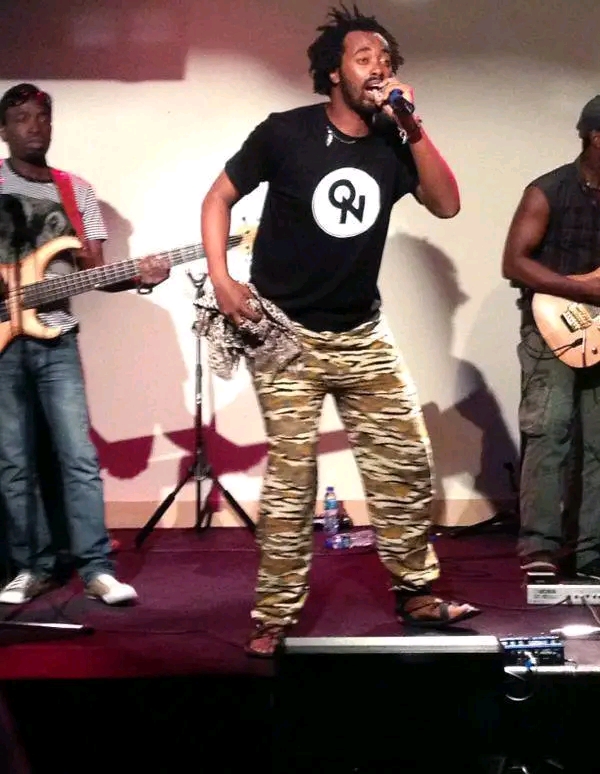
Man Ngabo explains that, despite the extremely difficult times following the Genocide against the Tutsi—and the loss of many relatives and friends—he felt he should not isolate himself in grief. Instead, he joined forces with friends in Gatsata to form a music group called “KWANDA BAND.”
He says, “A Rwandan speaker might wonder about the name ‘Kwanda’ and its connection to Rwanda. My friends and I felt that, even though we had suffered deep pain and sorrow, healing our wounds and overcoming trauma was a responsibility we had to shoulder. That is how we started the group and began creating music, drawing inspiration from songs by other African artists as well as music from Jamaica.”
Man Ngabo emphasizes that he clearly remembers how the Kwanda Band started in Gatsata, at the foot of Jali Hill; despite facing difficult circumstances, they managed to produce an album titled AMAHORO (Peace), featuring eight songs—with each of the four members contributing a track of their own.
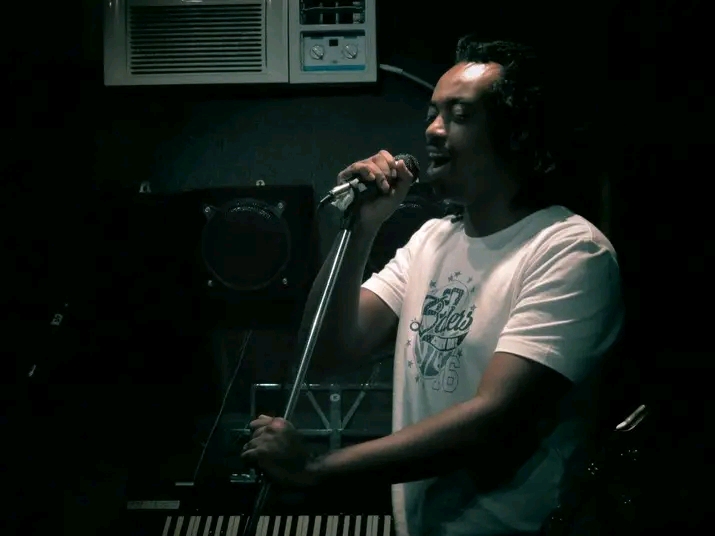
He affirms that he never received formal musical training; instead, he relies on the innate talent bestowed upon him by Rurema[God], who instilled in him a love for Reggae music—a genre he views as a tool to heal wounds and soothe pain, helping both himself and others avoid being overwhelmed by sorrow.
He says, “I chose Reggae because it is a genre that helps me reflect, discover myself, and speak up for those facing various hardships; it enables me to teach, to forgive others and myself, and to feel the hope and joy of living and sharing life with others.”
On one hand, Man Ngabo acknowledges that Reggae helped Africans gain self-awareness, eventually earning global recognition—including its inclusion in UNESCO’s heritage list—due to its role in fostering reconciliation, promoting love, and speaking out against the injustices faced by Black people and others around the world.
On the other hand, he emphasizes that Reggae music has helped him uphold the national agenda of unity and reconciliation—which he views as the cornerstone of prejudice-free relationships—reflecting God’s desire for humanity to coexist in the world like flowers in a garden.
Currently, Man Ngabo aims to refine his music and coordinate the activities of the Kwanda Band, produce new songs and music videos, and write a book based on his own history and that of his country (Rwanda), while serving as an advocate for the nation through his art.
Huhaho” and “Ndebera” are some of Man Ngabo’s new songs that you can listen to on SoundCloud.
.